






Latest News
- Why Photography Studios in Burnaby Use Self Storage for Equipment and Props
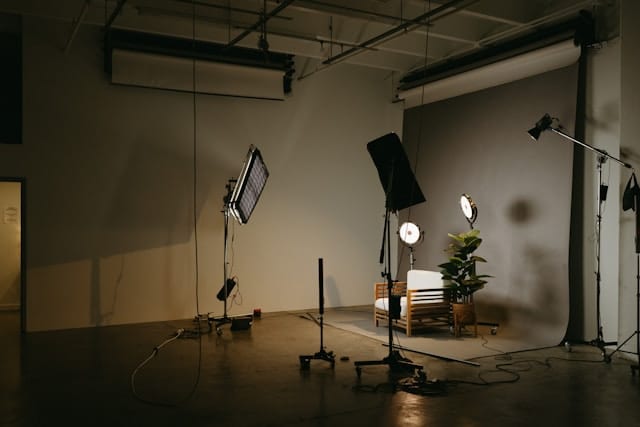 Running a photography studio in Burnaby requires much more than cameras and creativity. As many local photographers quickly discover, equipment, props, furniture, and seasonal décor can accumulate faster than expected. Whether you’re operating a portrait studio near Metrotown, shooting commercial products for local businesses, or capturing weddings throughout the Lower Mainland, managing your growing inventory …
 - Behind the Screen: Discovering How WinSpirit Shapes Modern Online Casino Play
 Opening the Digital Curtain: First Impressions That Matter When people sit down at a laptop or pick up a phone for an evening of slots or live dealer tables, the first thirty seconds decide whether they stay. WinSpirit greets newcomers with a clean dashboard that feels more like a streaming platform than an old-school casino …
 - Win Airlines Takes Flight in the World of Adult Digital Entertainment
 The Rise of Online Casinos and Modern Leisure Habits Win Airlines Casino Adult digital entertainment has transformed how millions of people spend their free time, replacing traditional outings with convenient, always-available platforms that fit around busy schedules. Online casinos now combine high-quality graphics, realistic soundscapes, and immediate gameplay to recreate the atmosphere of a physical …
 - Inside VegasNow: Mobile-First Design That Shapes How Players Experience Modern Casino Entertainment
 The Rise of Streamlined Mobile Navigation in Digital Gambling The shift toward mobile-first casino platforms has changed how users interact with digital entertainment. VegasNow stands at the intersection of this movement, offering an interface that prioritizes quick access and intuitive controls over desktop-heavy features. Players opening the site on smartphones notice immediately how menus collapse …
 - Wild Tiger Slot and the Shifting Landscape of Online Casino Culture Today
 How do slot libraries feel larger and more varied than ever? Wild Tiger The sheer breadth of modern slot libraries has transformed the way players browse and discover games. Instead of relying on a handful of classics that rarely change, many leading casino platforms now rotate hundreds of titles each month, introducing fresh mechanics, new …
Metro Class
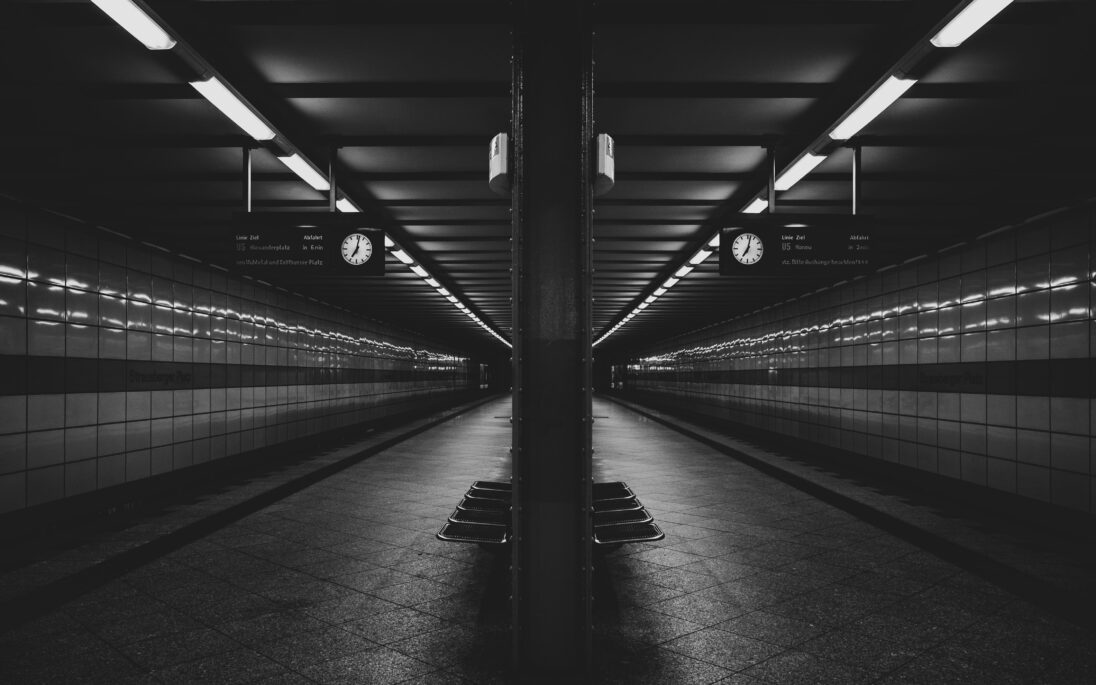
Photography began its journey precisely from black and white. For the first generations of photographers, color photography was not available. After the advent of color photography, shooting in B/W became a tribute to the origins and a creative move. Since it all started with black and white photography, works in this style take on fundamental importance.
Zone system (Adams zone theory)
Ansel Adams is one of the pioneers of B/W landscape photography. Its concept, which is based on pre-visualization, makes photographers develop and move forward. This system is a mathematical, scientific model of image visualization. Dividing the image into dark and light tones, light metering and light control form the basis of the Adams system.
Light quality
A photographic artist must know the physical properties of light, how it interacts with surrounding objects and how it affects the pictures. The different properties of light affect the image in different ways. The light can be harsh and soft (diffuse). Harsh light produces harsh shadows and bright highlights for high contrast. Soft light creates soft shadows and an equally soft glow. Using these nuances in working with light, you can play with light and shadow.
Exposition
Black and white photography is light + exposure. The exposure must be set up correctly so that the details in the picture are preserved and convey the whole idea of the photographer. Do not pull out details from overexposed areas. It will not lead to anything good. Most likely, only an unpleasant gray color will appear.