Sports venues are among the most dynamic and visually compelling elements of the modern city. From massive stadiums to small neighborhood courts, they reflect not only athletic activity but also architecture, community identity, and urban rhythm. For photographers working in industrial and urban photography, these spaces offer a unique combination of structure and human presence. Unlike static architectural subjects, sports environments constantly change depending on time, crowd, and activity. This makes them ideal locations for capturing energy, movement, and atmosphere within the urban landscape.
Why Sports Venues Are Attractive Urban Photography Subjects
Sports venues stand out in urban photography because they combine scale, geometry, and human activity in a single frame. Stadiums and arenas often dominate their surroundings, becoming visual landmarks within the city skyline. Their architectural design is usually bold and functional, making them ideal subjects for strong compositions and graphic perspectives. At the same time, they are deeply connected to social life, hosting events that bring large groups of people together.
Beyond their scale, sports facilities offer a unique duality: they can feel either completely alive or entirely empty. On match days, they are filled with movement, emotion, and visual chaos, while on quiet days, they become minimalist structures defined by light, shadow, and form. This contrast gives photographers the opportunity to explore two completely different visual narratives in the same location. As a result, sports venues are not just event spaces but also powerful architectural subjects.
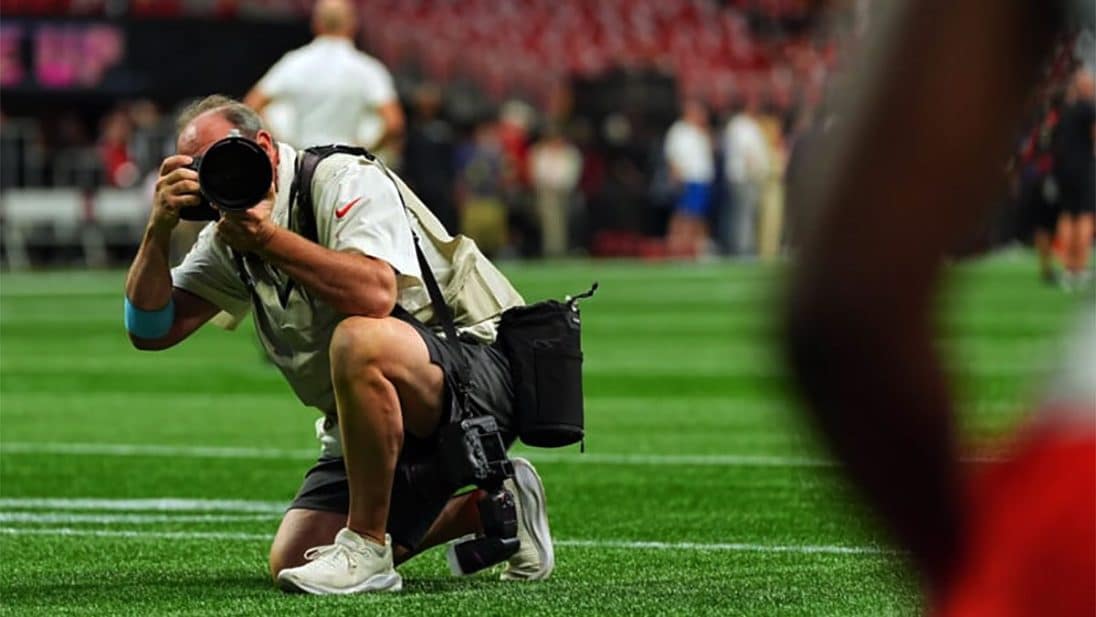
Choosing the Right Type of Sports Facility
Different types of sports facilities offer very different photographic opportunities. Understanding their visual and narrative potential helps photographers choose the right environment for their creative goals.
Stadiums and Arenas
Stadiums and arenas are some of the most iconic structures in urban sports photography. Their massive scale, repeating patterns, and structural symmetry make them visually powerful subjects. Exterior shots often emphasize geometry and light, especially during sunrise or sunset when shadows define the architecture. Interiors, on the other hand, capture the emotional intensity of large-scale events.
Night photography is particularly effective in stadium environments. Artificial lighting transforms these structures into glowing architectural objects that stand out against the urban skyline. Long exposure techniques can emphasize movement, crowd energy, and illuminated details. Even when empty, stadiums maintain a strong visual presence due to their monumental design.
Skateparks and Street Sports Areas
Skateparks and street sports zones offer a more informal and expressive side of urban sports culture. These spaces are often built from concrete forms, ramps, and bowls that create natural geometric compositions. They are also frequently covered in graffiti, adding color and identity to the environment.
Unlike stadiums, skateparks are highly dynamic and unpredictable. Photographers can capture movement, tricks, and spontaneous interactions between athletes and space. This makes them ideal for action photography and experimental framing. The combination of urban decay, creativity, and physical performance gives these locations a strong visual personality.
Community Sports Grounds
Community sports grounds are some of the most visually honest and emotionally rich locations in urban sports photography. Unlike large commercial stadiums, these spaces are deeply integrated into everyday city life. Local football pitches, basketball courts, and multipurpose sports fields often function as informal social hubs where sport, routine, and community intersect. For photographers, they offer a raw, unpolished perspective on urban activity that feels both authentic and ever-changing.
Lighting conditions in these spaces are often unpredictable, which makes them especially interesting for documentary-style shooting. Morning training sessions, late-afternoon pickup games, and evening practices under artificial lights all create distinct visual moods. Fences, worn-out markings on the ground, and improvised seating areas add texture and layers of storytelling to each frame. These environments rarely feel staged, which is exactly what makes them so compelling for urban photography.
In France, community sports infrastructure is particularly well developed and often closely tied to local identity. Many towns and districts support long-standing clubs that serve as both competitive teams and social institutions. Women’s basketball, in particular, has a strong presence in regional sports culture, where local clubs play an important role in connecting training facilities, youth development, and community engagement. A good example of this ecosystem can be seen in clubs such as basket club Reze, where the basketball hall is not just a sports venue but a central part of everyday urban life. For photographers, such locations offer a clear visual narrative of how sport functions within the fabric of French local communities.
Waterfront and Outdoor Sports Facilities
Waterfront sports facilities combine athletic activity with natural landscapes. Rowing clubs, sailing docks, and beach sports areas offer a different visual rhythm compared to dense urban environments. The presence of water introduces reflections, soft light, and open compositions.
These locations are especially effective during early morning or late afternoon when light interacts with water surfaces. The contrast between structured sports activity and natural surroundings creates strong visual tension. Photographers can explore themes of balance, movement, and openness in these environments.
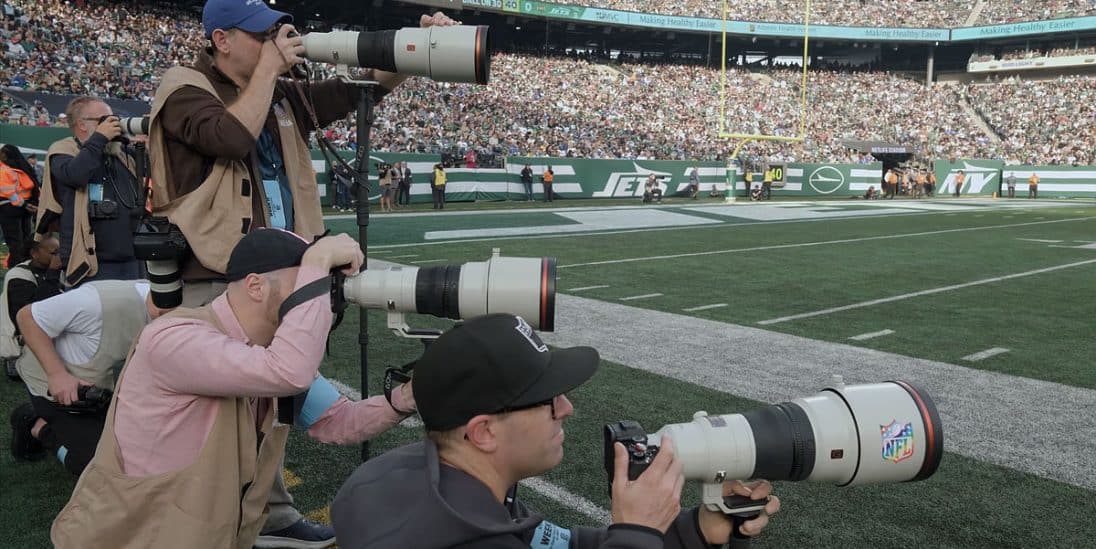
Best Lighting Conditions for Sports Venue Photography
Lighting plays a crucial role in how sports venues are perceived visually. Different times of day can completely transform the mood of the same location.
- Golden Hour. Golden hour is ideal for emphasizing architectural details and creating warm, cinematic tones. Stadiums and arenas look especially dramatic when low sunlight highlights their structure. Shadows become longer and more expressive, adding depth to compositions.
- Blue Hour and Night Photography. Blue hour and night conditions are perfect for capturing artificial lighting in sports venues. Stadiums, courts, and arenas often become glowing focal points within the city. Long exposures can enhance motion and atmosphere.
- Overcast Days. Overcast lighting reduces harsh shadows and creates even exposure across the scene. This is particularly useful for documentary-style photography. It allows textures, materials, and structural details to stand out clearly.
Composition Techniques for Urban Sports Photography
Strong composition is essential when working with complex sports environments.
- Leading lines — fences, tracks, and seating rows guide the viewer’s eye through the frame.
- Symmetry — stadium architecture often provides naturally balanced compositions.
- Human scale — including athletes or visitors helps emphasize the size of the structure.
- Framing — using urban elements like bridges or buildings to frame the subject.
- Layering — combining architecture, people, and background city elements for depth.
These techniques help turn functional sports spaces into visually structured photographic stories.
Telling a Story Beyond the Game
The most compelling sports photography often happens outside of major events. Empty stadiums, early morning training sessions, and maintenance work reveal the quieter side of sports infrastructure. These moments show how deeply sports venues are embedded in the city’s daily rhythm.
Photographers can also focus on the communities surrounding these spaces. Local routines, informal games, and everyday interactions often provide more authentic storytelling opportunities than official matches. This approach shifts the focus from competition to environment and context.
By observing how sports venues function throughout the day, photographers can build a more complete visual narrative. The goal is not only to document sport itself but to capture how it lives within the urban landscape.
Conclusion
Sports venues are far more than places for competition. They are architectural landmarks, community spaces, and living parts of the urban environment. For photographers working in industrial and urban styles, they offer a wide range of visual opportunities, from massive stadium structures to intimate neighborhood courts. By combining strong composition, thoughtful timing, and attention to human presence, sports venues can become powerful subjects for storytelling. Whether capturing empty arenas or active community fields, the goal remains the same: to reveal the relationship between sport, architecture, and the city itself.